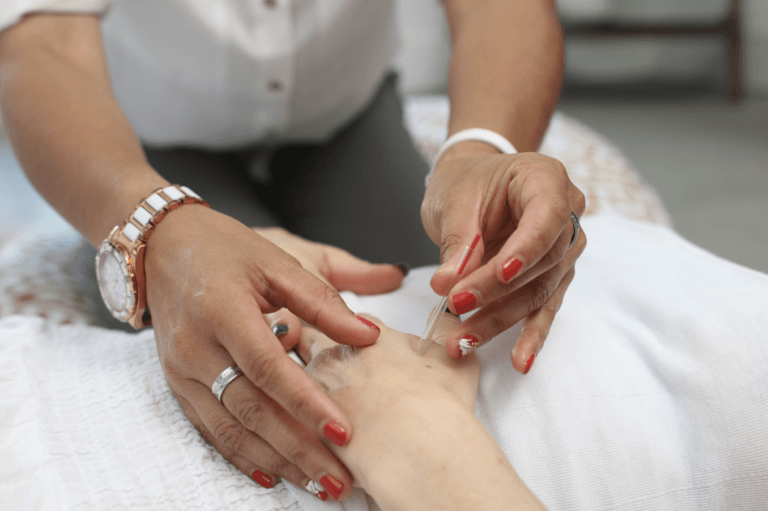
One of the first questions new patients ask me is some version of: “Does this actually work?” I never mind the question. It’s a good one, and the answer matters. Acupuncture has been practiced in East Asia for thousands of years, but if you grew up in a culture where medicine means pills and procedures, it’s reasonable to want evidence before you commit.
Here’s what I tell people: the evidence is there, and it’s growing. Over the past two decades, a wave of well-designed studies has confirmed what practitioners like me have been observing in our treatment rooms for years — acupuncture produces real, measurable results. And increasingly, the institutions that set the standard for Western medicine agree.
How Acupuncture Works — Two Frameworks, One Conclusion
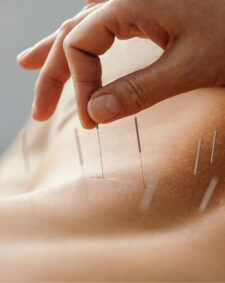
In Chinese medicine, acupuncture points sit along pathways called meridians. Stimulating them with very fine needles restores the smooth flow of Qi and blood, helping the body heal and self-regulate. From a biomedical perspective, researchers have shown that acupuncture stimulates the nervous system, triggers the release of neurotransmitters like serotonin and endorphins, increases blood flow to targeted tissues, and modulates inflammation and immune function.
Both frameworks arrive at the same place: acupuncture helps the body regulate itself. That’s part of why it works for such a wide range of conditions — it’s not treating one symptom with one mechanism. It’s supporting the whole system.
What the Research Shows
For pain: A landmark 2012 meta-analysis in the Archives of Internal Medicine pooled data from nearly 18,000 patients and found acupuncture significantly more effective than both sham acupuncture and no treatment for chronic back pain, neck pain, osteoarthritis, and headaches. The researchers called it a “reasonable referral option” — which, in academic language, is a strong endorsement.
For fertility: This is close to my heart, because it’s what brought so many of our patients through our doors. A well-known German study found that women undergoing IVF who received acupuncture had a pregnancy rate of 42.5%, compared with 26.3% for the group without — nearly a 50% improvement. A 2008 BMJ study found women who combined acupuncture with IVF were 65% more likely to achieve a successful embryo transfer. At Yinova, we’ve worked alongside New York City fertility clinics since 1999, and these findings match what we see in practice.
For stress and mental health: Acupuncture increases serotonin and endorphin production and has been shown to reduce cortisol levels, helping people shift out of chronic fight-or-flight and into a calmer, more balanced state. For patients navigating anxiety, insomnia, or the emotional weight of a health journey, this can be profoundly helpful.
For digestion: Emerging research supports acupuncture for IBS, acid reflux, and general digestive discomfort. Studies suggest it helps regulate gut motility, reduce inflammation, and calm the nervous system’s impact on digestion — something Chinese medicine has addressed for centuries under the framework of Spleen and Stomach harmony.
Why Some People Are Still Skeptical
I understand the hesitation. Early acupuncture studies were sometimes small or poorly designed, and the challenge of creating a true “placebo” — since even sham needling involves physical stimulation — complicated some trial designs. But the field has matured. Today’s research uses larger sample sizes, better controls, and more rigorous methodology.
It also helps to look at who’s adopting acupuncture now. Memorial Sloan Kettering, the Mayo Clinic, Johns Hopkins, and many major hospital systems offer acupuncture as part of their integrative care programs. That kind of institutional adoption doesn’t happen without a strong evidence base behind it.
What I’ve Seen in 25 Years of Practice
At The Yinova Center, we’ve been practicing acupuncture and Chinese medicine in New York City for over two decades. We work with patients navigating fertility, chronic pain, hormonal shifts, digestive issues, stress, and much more. Our approach has always been to hold both the traditional wisdom of Chinese medicine and the latest clinical research — not as competing perspectives, but as complementary ones. The science confirms what we already knew. And our clinical experience gives depth to what the studies describe.
If you’ve been curious about acupuncture but wanted to see the evidence first, I hope this gives you confidence. The research is clear, and it’s only getting stronger.
Frequently Asked Questions
Is acupuncture recognized by mainstream medicine?
Yes. The World Health Organization recognizes acupuncture as effective for dozens of conditions, and many major U.S. hospitals now include it in their integrative medicine departments.
How many sessions does it take to see results?
It depends on what we’re treating. Some patients notice changes after one or two sessions; chronic conditions typically respond best to a course of 8–12 treatments. Your practitioner will work with you to build a plan that makes sense for your situation.
Is acupuncture safe?
Very. The needles are sterile, single-use, and extremely fine. Side effects are rare and mild — most patients tell us they feel deeply relaxed during and after treatment.
Can I combine acupuncture with other treatments?
Absolutely. Many of our patients use acupuncture alongside Western medical treatments, including fertility protocols, physical therapy, and mental health care. It’s designed to complement, not replace, your existing care.
Curious about what acupuncture could do for you? We’d love to talk it through. Book an appointment at The Yinova Center and we’ll create a treatment plan tailored to your needs.