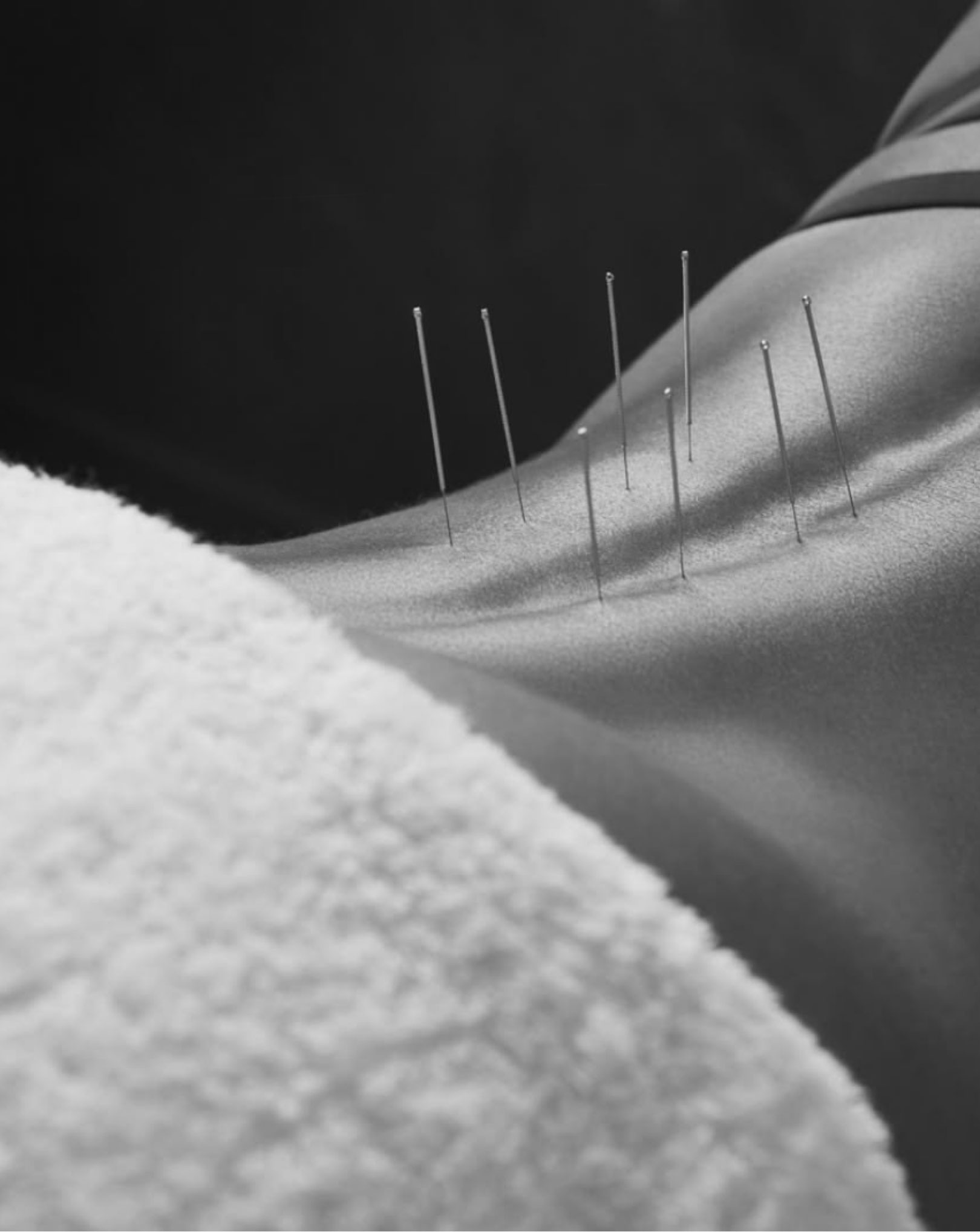
If you’re somewhere in your late 30s, 40s, or early 50s and something feels off — your sleep is fragmented, your moods are unpredictable, your cycles aren’t quite themselves — you’re not imagining it. You may be in perimenopause: the transition years before menopause, which can last anywhere from four to a full decade. Many of the women I see at Yinova have been told their bloodwork is “normal” while everything in their day-to-day life tells them something significant is happening. They’re right. Perimenopause is one of the most undertreated phases of a woman’s life, and Chinese medicine has been working with it for centuries.
Perimenopause Is Not Menopause
It’s worth drawing a clear line between the two. Menopause is a single day — the one-year anniversary of your last period. Perimenopause is the long runway leading to that day. It can begin in your mid-30s and often peaks in the mid-40s, with the most dramatic symptoms typically showing up in the final two to three years. This is the phase where your hormones are shifting most actively, which is why it can feel so disorienting — and why it’s also the phase that responds best to support.
What’s Actually Happening in Perimenopause
In Western medicine, perimenopause is defined by hormonal fluctuation — estrogen swinging high and low, progesterone steadily declining, and follicle-stimulating hormone (FSH) climbing as the ovaries become less responsive. These shifts don’t happen gradually or smoothly; they happen in waves, which is why symptoms come and go and bloodwork often looks normal between flares.
In Chinese medicine, we understand perimenopause as the gradual depletion of Kidney essence — the body’s deepest reserves of vitality and reproductive substance. As that essence diminishes, the cooling, moistening Yin energy can no longer fully anchor the warming Yang. Yang rises (hot flashes, night sweats, anxiety, palpitations) while Yin depletes further (dryness, fatigue, insomnia, joint pain). It’s a profound rebalancing, and the symptoms reflect that.
How Acupuncture Helps with Perimenopause Symptoms
Calms hot flashes and night sweats. This is the most-studied benefit of acupuncture for perimenopause. A 2025 network meta-analysis of 49 trials and over 4,500 participants found acupuncture significantly reduced perimenopausal symptoms, including vasomotor symptoms like hot flashes. Studies also show the effects can persist for up to three months after treatment ends. From a Chinese medicine perspective, we’re nourishing Yin and anchoring the rising Yang — calming the internal “heat” without simply suppressing symptoms.
Improves sleep. Many perimenopausal women come in saying, “I used to sleep through anything.” Disrupted sleep is one of the most disruptive symptoms of this phase, and acupuncture is uniquely effective for it. By calming the nervous system, lowering cortisol, and supporting the body’s natural melatonin rhythm, acupuncture helps restore deeper, more continuous sleep — often within the first few weeks of treatment.
Stabilizes mood and anxiety. Hormonal fluctuation directly affects serotonin, dopamine, and GABA — the neurotransmitters that regulate mood, anxiety, and emotional resilience. Acupuncture supports the production and balance of these chemicals. In Chinese medicine, we would say it soothes Liver Qi stagnation, the pattern most associated with the irritability, anxiety, and emotional reactivity that often accompany this phase.
Supports cycle regularity. Cycles in perimenopause can shorten, lengthen, skip months entirely, or become heavier or lighter. Acupuncture and Chinese herbs help smooth these transitions, reducing breakthrough bleeding, easing premenstrual symptoms, and supporting more comfortable cycles all the way through to menopause itself.
Eases joint pain, dryness, and other quieter symptoms. Estrogen affects collagen, joint fluid, and tissue elasticity, which is why joint pain, vaginal dryness, and skin changes are so common in this phase. Acupuncture and Chinese herbs nourish Yin and Blood, addressing these tissue-level changes from the inside out.
What the Research Shows About Acupuncture and Perimenopause
The evidence base for acupuncture in perimenopause continues to grow. Beyond the 2025 meta-analysis mentioned above, a 2022 systematic review and meta-analysis in Acupuncture in Medicine found that acupuncture significantly reduced hot flash frequency and severity and improved quality of life. Studies have also documented changes in serum hormone levels following acupuncture, suggesting it’s not just symptom relief — there’s a measurable physiological effect.
For women who can’t or don’t want to use hormone therapy, this is genuinely meaningful. And for women who are using HRT, acupuncture works well alongside it, often allowing for lower doses and easier transitions on and off treatment.
What Perimenopause Treatment Looks Like at Yinova
We typically start with weekly sessions for 8 to 12 weeks, then transition to maintenance every two to four weeks as symptoms stabilize. Most of our perimenopausal patients also benefit from a customized Chinese herbal formula, which deepens and extends the effects of acupuncture between sessions. We talk about nutrition — warming, nourishing foods that support Yin — movement that’s sustainable for this phase, and the broader emotional landscape of this transition. Perimenopause is often the first time a woman has been forced to slow down. We treat that as information, not as something to push through.
Frequently Asked Questions
When should I start acupuncture for perimenopause?
The earlier the better. Many patients come in once symptoms are already disruptive, but starting in your late 30s or early 40s — when subtle shifts begin — can make the whole transition smoother. It’s never too late, though; we see good results even in women well into menopause.
Can I do acupuncture for perimenopause if I’m on hormone replacement therapy?
Yes. Acupuncture and HRT work well together. Many patients find that acupuncture helps address the symptoms HRT doesn’t fully cover, and can support gentler dose adjustments over time.
Will acupuncture help with weight changes during perimenopause?
Indirectly, yes. Acupuncture supports metabolism, reduces cortisol, and improves sleep — all of which influence weight regulation. Combined with nutrition guidance, many patients find their body feels more responsive again.
How long until I notice changes with acupuncture for perimenopause?
Many of our patients notice better sleep and reduced hot flash intensity within three to four weekly sessions. More lasting changes — to mood, energy, and cycle regularity — typically build over two to three months.
Perimenopause is a real and important phase, and it deserves care that meets the whole of it. We’re here to help. Book a consultation at The Yinova Center to learn how acupuncture can support you through this transition.