When most of us picture fall food, we think orange: pumpkins, butternut squash and sweet potatoes piled high at the farmers market. Those are all wonderful, but in Chinese medicine, the color of autumn is actually white.
Each season in Chinese medicine is linked to an element, an organ and a color. Autumn belongs to the Metal element, the Lungs and the color white. White foods are traditionally thought to nourish the Lungs, which is exactly where our bodies need extra support as the air turns cool and dry. Adding a few of them to your plate is one of the simplest ways to eat in harmony with the season.
Why Color Matters in Chinese Medicine
Chinese dietary therapy looks at food through its energetic qualities: its temperature, its flavor and the organ it supports. Color is one of the clues. Just as red foods are associated with the Heart and black foods with the Kidneys, white foods are believed to have a special affinity for the Lungs.
Many white foods are also moistening, which makes them a natural fit for autumn’s dryness. The Lungs govern the skin and open into the nose, so supporting them can show up as fewer dry coughs, a happier throat and softer skin. If you’d like to understand more about why the Lungs take center stage this time of year, our post on the message of autumn is a lovely place to start.
Six White Foods to Add to Your Plate This Fall
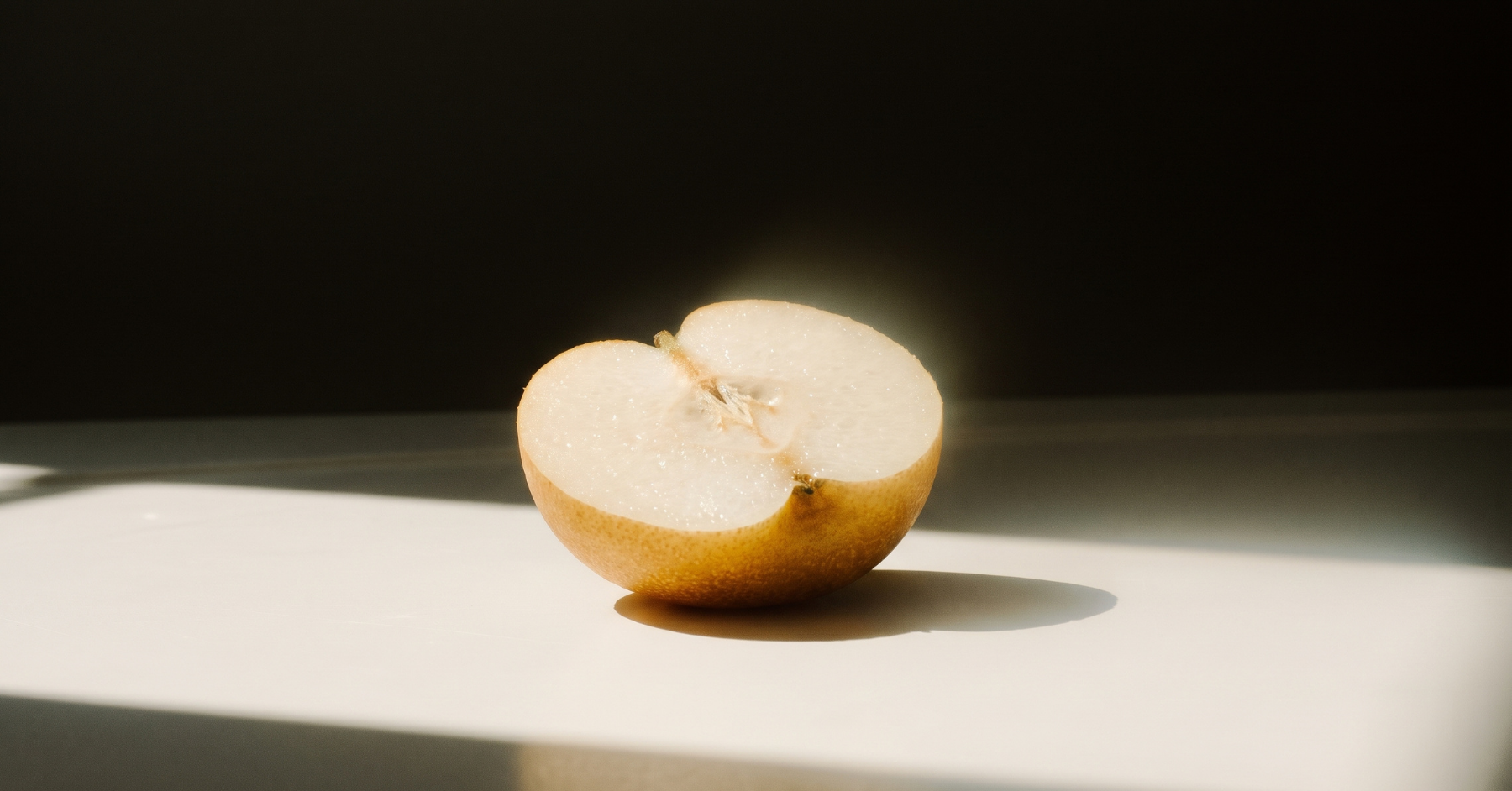
Asian pear is the classic autumn food in Chinese medicine. Pears are cooling and moistening, and they’ve long been used to soothe a dry cough and a scratchy throat. Asian pears are especially juicy and crisp, and they’re delicious raw or gently cooked.
Daikon radish is mild and slightly pungent, and pungent is the flavor linked to the Lungs. Daikon is traditionally used to help clear phlegm and ease digestion. Try it in soups and stir-fries, or quick-pickled as a side dish.
Lotus root, with its lacy, wagon-wheel pattern, is as beautiful as it is useful. It’s considered nourishing to the body’s fluids and is lovely sliced into soups or lightly sautéed with a little sesame oil.
White fungus, also called snow fungus or tremella, is a beloved beauty food in Chinese culture. It’s prized for moistening the Lungs and the skin, and it’s often simmered into sweet soups with pear and goji berries.
Almonds are traditionally used to support the Lungs and calm a cough. A small handful makes an easy afternoon snack, or you can stir almond butter or almond milk into your morning oats.
Rice may be humble, but it is the base of congee, the warm and gentle porridge that Chinese medicine turns to whenever the body needs easy-to-digest nourishment. Our post on rice congee shows you how to make it.
Other white foods worth exploring include cauliflower, white sesame seeds, lily bulb, tofu, and a little onion and garlic, whose pungent warmth helps move qi through the Lungs.
A Simple Remedy: Poached Pear With Honey
This classic Chinese home remedy is one of my favorite ways to soothe a dry throat on a chilly evening.
- 1 Asian pear
- 1 teaspoon honey
- A few almonds or goji berries
Core the pear, leaving it whole. Fill the center with the honey and the almonds or goji berries, then place it in a heatproof bowl and steam for 30 to 40 minutes, until soft. Enjoy it warm, including the sweet juices that collect in the bowl.
Keeping Things in Balance
Some white foods, like pear, are cooling by nature. If you tend to run cold or have a sensitive digestion, cook them rather than eating them raw, and pair them with warming spices like ginger or cinnamon. Chinese medicine is always about balance, and the right mix of foods looks a little different for everyone.
Curious which foods are best for your constitution? At Yinova, our practitioners can help you build a seasonal eating plan that supports your Lungs and your overall health. Schedule an appointment online or email us to get started.